electric vehicle charging station
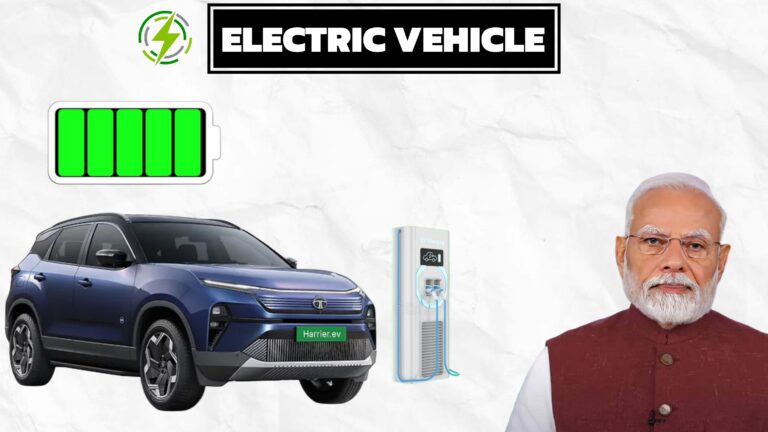
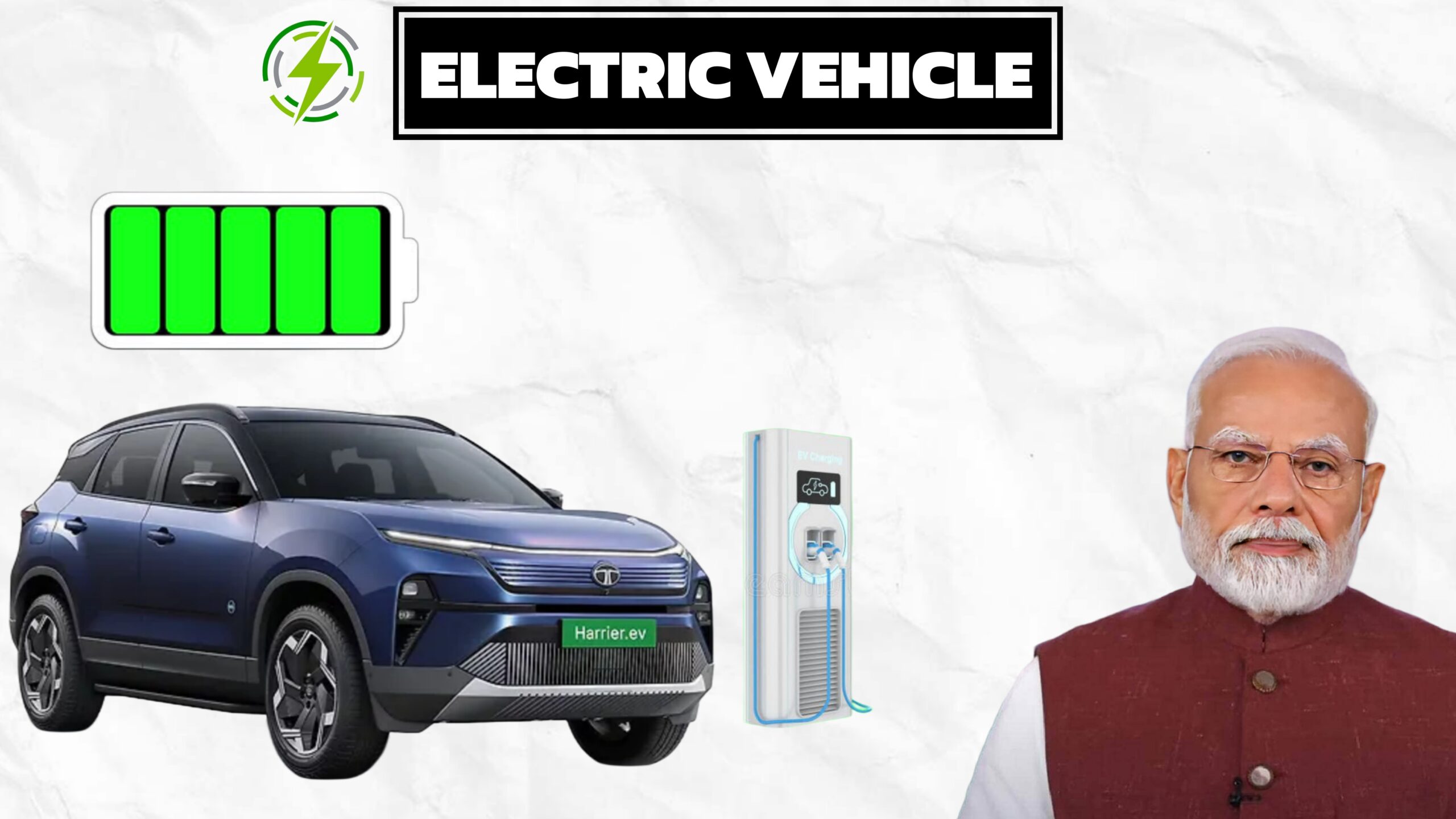
An electric vehicle charging station is basically a spot where you plug in your car and juice up the battery. These stations have different types of chargers, so you can hook up your EV and get back on the road pretty quickly. With more people driving electric cars these days, having enough places to charge up really matters—the development of robust EV charging infrastructure of electric vehicles is key if we want to make transportation greener and cut back on fossil fuels.
electric vehicles charging
Electric vehicles charging stations are pretty much the backbone of the whole EV movement. Without reliable places to recharge, people just aren’t going to make the switch. You’ll find a mix of chargers out there: Level 1 chargers are slow and usually live at home, good for overnight charging. Level 2 chargers are faster and pop up in public spots—think shopping centers or office buildings. Then you’ve got DC fast chargers, which are the real game-changers for road trips or anyone in a hurry. They get you back on the road in a fraction of the time.
Getting these stations in the right places matters a lot. You want them in cities, sure, but also along highways and anywhere people actually go. If drivers always know there’s a charger nearby, range anxiety just melts away. There’s another angle too: plugging these stations into solar or wind power. That way, charging your car doesn’t just feel good—it actually is good for the planet.
electric vehicles battery
Electric vehicle batteries do the heavy lifting when it comes to powering electric cars. Most of them run on lithium-ion tech—it’s reliable, packs a lot of energy, and lasts a long time. What matters most with these batteries? Stuff like how much energy they can hold, how fast they can recharge, how safe they are, and what kind of impact they have on the planet. Big names like Tesla, Panasonic, LG Energy Solution, and CATL lead the charge here. Tesla teams up with Panasonic to make batteries for its cars, and CATL supplies a bunch of automakers worldwide. Right now, the race is on to push these batteries even further—think longer range, lower prices, and greener production—to keep up with the booming demand for electric vehicles.
- Primary Power Source: The battery pack is the sole power source for Battery Electric Vehicles (BEVs), replacing the combustion engine
- Dominant Chemistry: The vast majority of modern EVs use Lithium-ion (Li-ion) batteries due to their high energy density and long cycle life.
- Structure: A battery pack is a complex system composed of thousands of individual cells grouped into modules, all contained within a single, protected pack.
- Measurement: Battery capacity, which determines the vehicle’s range, is measured in kilowatt-hours (kWh).
- Power: The charging speed or motor power output is measured in kilowatts (kW)
- The Brain: The Battery Management System (BMS) is the computer that monitors individual cell voltage, temperature, and current to ensure safety and longevity.
Understanding the Charging Landscape Of Electric Vehicles
- Level 1: The slow and steady approach, charging through your standard household outlet. Perfect for overnight at-home charging, but don’t expect a quick top-up here.
- Level 2: The workhorse for many EV owners, these chargers require a specialized unit—think a beefier socket you’d have installed at home or at work—and they cut charging time significantly. Many public stations also use this system for daily convenience.
- DC Fast Charging: This is the speedster. It blasts your battery with power and gets you back on the road in no time. Honestly, you can grab a coffee, stretch for a bit, and your car’s already around 80% charged. Perfect for road trips or when you’re on a tight schedule.
Tips for EV Owners and Curious Drivers
- Map Out Your Charge: Before you drive off, pull up an app to see where the chargers are—and what kind you’ll find. It saves you from those frantic searches and keeps range anxiety in check..
- Make Home Charging Easy: If you can, get a Level 2 charger at home. Seriously, it makes daily life with an EV so much smoother and charging way quicker.
- Keep an Eye on the Weather: Cold days slow down charging. When winter rolls around, give yourself extra time—it helps avoid surprises.
Electric vehicle charging isn’t just about plugging in a car—it’s this cool mix of tech, ease, and doing a bit of good for the environment, all tangled up in a single cable. It’s a sign we’re rethinking how we get around and use energy, and honestly, maybe it’s helping us treat the planet with a little more respect. Glad you hung out for this quick dive into charging. Hope your next trip goes off without a hitch and your battery’s full. Next week, we’ll pop the hood and get into what actually makes electric motors tick—there’s some real magic there. Until then, drive safe and keep plugging in.